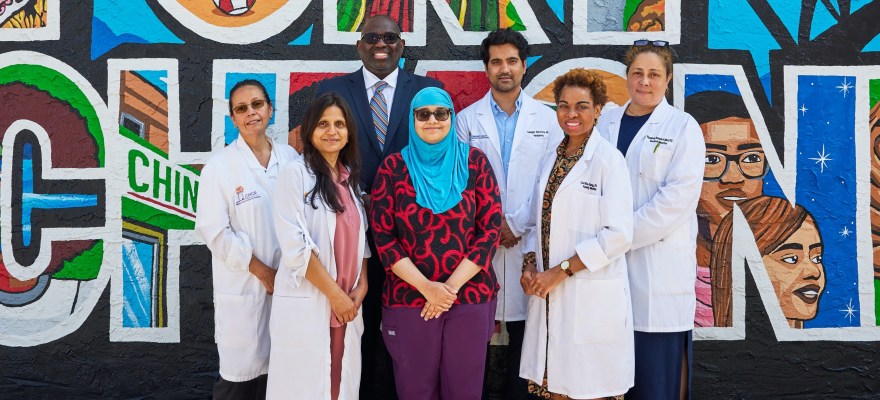
For many families, healthcare can feel fragmented: one office for pediatrics, another for behavioral health, another for screenings, and often long waits between appointments. At Community Health Center of Richmond (CHCR), the goal is different. The organization has built its health center on caring for the whole person and supporting families at every stage of life.
For Dr. Henry Thompson, who has served as Chief Executive Officer for CHCR since 2009 and serves in healthcare leadership, that approach begins with patient relationships.
“We treat everyone who comes through our doors,” Thompson says. “Our healthcare delivery is based on a primary care and prevention model.”
That philosophy means care is not centered only around illness. Instead, CHCR emphasizes prevention, early detection, and ongoing management of health conditions before they become crises.
For families, especially parents raising children, that continuity matters.
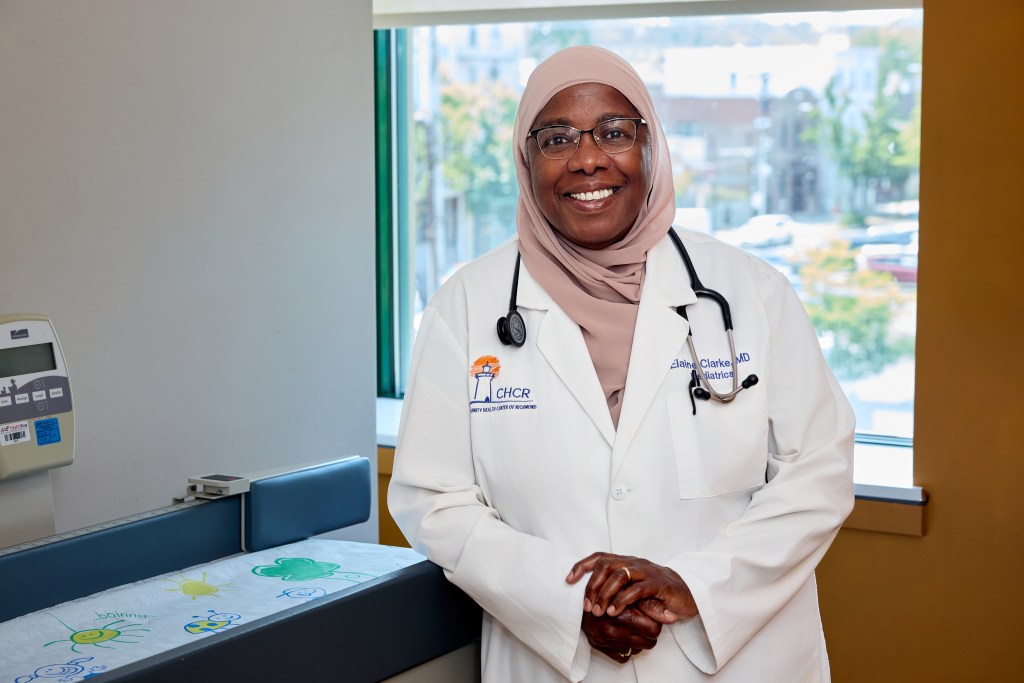
Dr. Elaine Clarke, pediatrician at CHCR, sees those relationships grow over the years, often beginning just days after a baby’s birth.
“Children come to us within days of birth, staying in our care until college,” Clarke says.
That long-term connection allows providers to understand not only a child’s medical history but also the family’s evolving needs. Parents build trust with the same care team year after year, creating a medical home where questions, concerns, and milestones are shared.
“We provide comprehensive care with intentionality, not for profit,” Clarke says. “Families come to us with minor and major concerns. They feel comfortable approaching us.”
Thompson describes primary care providers as becoming trusted advisors over time, guiding both medical care and family decision-making.
“When it comes to children, we serve as extenders of the family,” he says.

Supporting Families Beyond Physical Health
One area Thompson says has become especially important is behavioral health.
As families prepare for back-to-school season and return to routines, many concerns entering exam rooms are no longer limited to physical symptoms.
“We’re seeing more psychosocial concerns with teens and children,” Thompson explains.
To meet those needs, CHCR integrates behavioral health services into its care model. Providers use screening tools to identify concerns, including anxiety and depression, and connect families with behavioral health specialists when additional support is needed.
Thompson believes today’s children are navigating pressures previous generations never experienced.
“There’s information overload,” he says. “Children are comparing themselves not just to classmates anymore, but to what they see online.”
By combining pediatric care with behavioral health resources, the center makes support easier to access within a familiar environment rather than requiring families to navigate multiple disconnected systems.
Supporting Families Before Baby Arrives
CHCR’s family-centered philosophy begins long before a child is born.
Through its Healthy Start program, expecting parents receive support throughout pregnancy and beyond. Rosa Soto, Centering Coordinator, Case Manager, Certified Lactation Counselor, explains that through their maternal and infant health programs, expectant mothers are grouped into cohorts based on their due dates. Together, they participate in educational sessions focused on pregnancy, childbirth, newborn care, and preparing for life as a family.
“It’s really about going full circle on the care for these mothers and their families,” Soto says.
Families also have access to certified lactation consultants, doula services, a WIC nutrition program, and a Fatherhood Coordinator who connects expecting fathers with support groups and resources tailored to them.
For Soto, one of the biggest differences is how patients experience care from the moment they arrive.
“Traditionally, many patients receive prenatal care in settings where they sit in a waiting room for a long period, and then their appointments can feel rushed,” she says. “But as soon as they walk into the Community Health Center, the experience is different. They are seen, they are heard, and they aren’t hurried through their visit. Instead, they’re given the time, attention, and compassionate care they need, ensuring they feel supported throughout their pregnancy.”
Healthcare That Lives in the Community
Community access also plays a central role in CHCR’s work.
Serving Staten Island means understanding both geography and access barriers. With a borough-wide population spread across a large area and limited hospital systems, community-based healthcare helps reduce unnecessary emergency room visits while making routine care easier to access close to home.
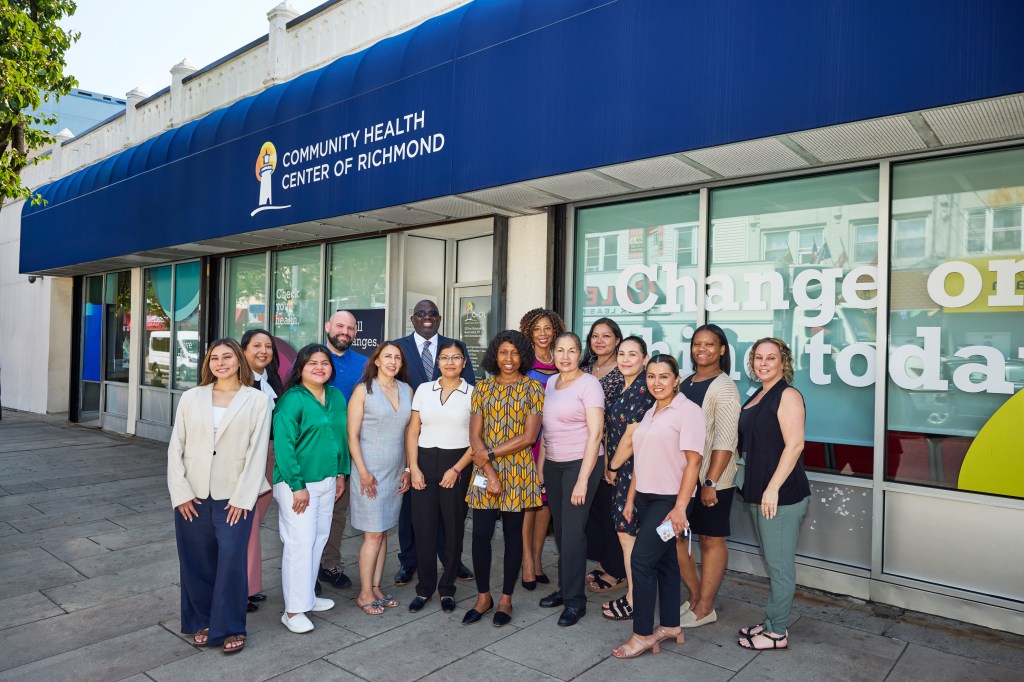
Whether that means immunizations, preventive screenings, chronic disease management, or regular wellness visits, Thompson says access to local care can dramatically improve outcomes.
CHCR also serves patients regardless of insurance status and works to reduce barriers that often prevent families from seeking care early.
“Our goal is helping people establish a relationship with care instead of waiting until there’s a crisis,” Thompson says.
Families Are Getting It Right
While healthcare conversations often focus on challenges, Thompson says families deserve credit too.
The biggest positive trend he sees is consistency. Once families become part of CHCR, they know they’ll receive comprehensive healthcare under one roof, with providers who understand their history and are there not only for annual wellness visits but for life’s everyday questions and unexpected concerns.
His advice to parents is simple: don’t wait until something feels wrong before making healthcare a priority.
“Just because you feel okay doesn’t mean you neglect going to the doctor,” he says.
As the Community Health Center of Richmond celebrates its 20-year anniversary, its mission remains centered on providing compassionate, relationship-driven care that extends far beyond appointments.
From pregnancy and newborn care through childhood, adolescence, and adulthood, the organization continues to build healthier families by meeting people where they are and supporting them every step of the way.
SPONSORED CONTENT